
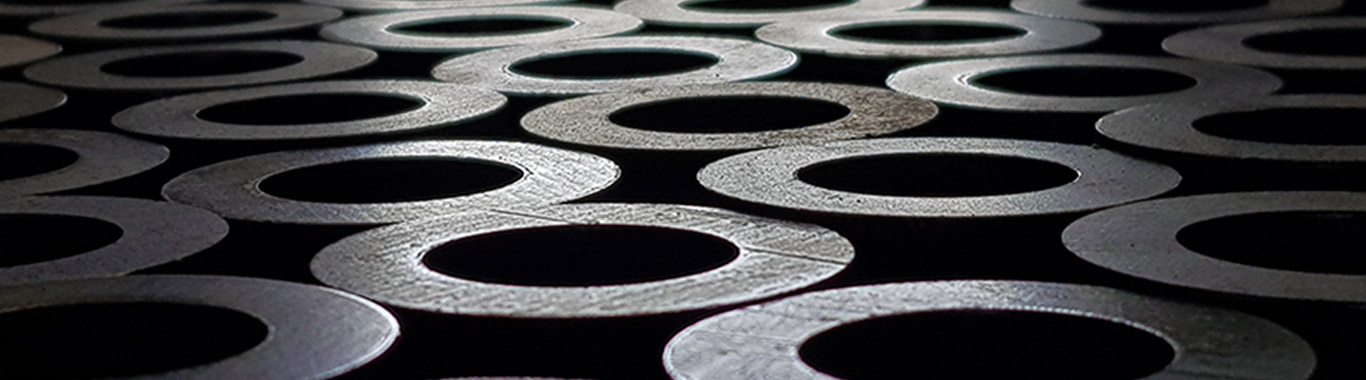
When metal is subjected to extreme pressure and fine abrasives, no heat damages the material’s internal structure. Every cut stays clean, sharp, and true to the original design. This cold-cutting method uses water mixed with garnet to slice through metals without altering their physical makeup. For industries that depend on perfect material integrity, waterjet metal cutting offers a solution that fire-based tools cannot match.
Thermal stress stays away:
Traditional methods use extreme heat to melt material. This heat spreads, changing the grain structure of the metal near the edge. This area becomes brittle or soft, which weakens the part. Waterjet technology uses high pressure instead of heat. No thermal stress occurs, so the material keeps its original strength. Parts remain consistent from start to finish.
Edge quality stays perfect:
Burning methods leave rough, charred edges. Workers spend time grinding these spots to make them smooth. A waterjet stream cuts through cleanly, leaving a smooth surface. This reduces manual work and saves production time. Manufacturers get finished pieces right off the machine. Smooth edges save money by skipping extra finishing steps.
Accuracy stays high:
Heat makes metal expand and shift. This causes tiny errors during the cutting process. Because waterjets stay cold, the material stays stable. The dimensions remain precise. Designers get exactly what they draw, with no distortion from temperature changes. Accurate parts fit together perfectly without needing adjustments later.
Material properties stay pure:
Some alloys react poorly to heat. Chemical changes happen when metal gets too hot. These changes create weak spots or rust issues. Cold cutting protects the chemistry of the metal. The material retains its original hardness and durability. This is critical for aerospace or medical parts where safety is vital.
Versatility stays broad:
Many methods work only on specific metals. Some materials are too reflective for light-based cutters, while others are too thick for lasers. A waterjet stream cuts almost anything. Because it ignores thermal properties, it handles hard steel, soft copper, or delicate stone with ease. Shop flexibility grows because the machine handles diverse jobs without changing setups.
Thin sections stay flat:
Thin materials warp quickly under heat. The energy makes them buckle, which ruins the shape. A waterjet stream applies force without adding energy. Thin sheets remain flat and straight. This allows for intricate designs on light materials that would normally melt or bend. Precision work becomes easy and reliable every time.